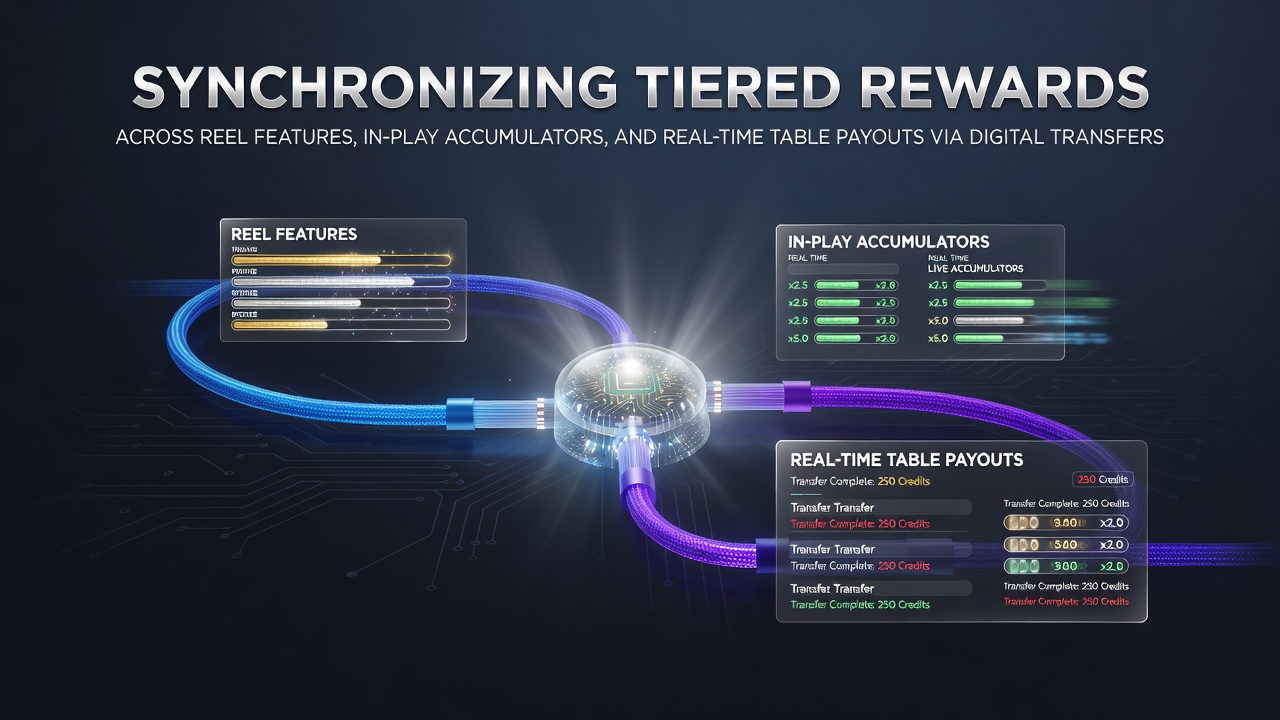
Coordinating Multi-Tiered Incentives Across Reel-Based Games, Accumulator Bets, and Live Table Payouts with Digital Transfer Technologies
Data from multiple jurisdictions shows that operators have begun linking tiered reward structures so that progress earned on reel features carries over directly to in-play accumulators and triggers immediate adjustments at table games through digital transfers, and this integration relies on unified player accounts that update in real time rather than batch processes.
Core Elements of the Synchronization Model
Reel features generate base rewards through symbol combinations and bonus rounds, while in-play accumulators track ongoing sports or event wagers that build multipliers based on live outcomes, and real-time table payouts settle bets at roulette or blackjack tables the moment results register, so the model requires a central ledger that applies tier thresholds across all three areas simultaneously.
Those who've examined platform architectures note that digital transfers serve as the conduit because they move value and status updates without delays that once separated these systems, and when a player hits a tier on slots the accumulator balance adjusts within seconds while table minimums or multipliers recalibrate automatically.
Technical Pathways for Cross-Feature Alignment
Application programming interfaces connect the reel engine to the accumulator tracker and the table settlement module, allowing a single tier progression event to propagate across modules, whereas older setups kept these functions isolated and required manual reconciliation at the end of each session.
According to information released by the Nevada Gaming Control Board, several licensed platforms now demonstrate live synchronization where digital wallet movements trigger tier upgrades that affect both accumulator odds and table payout rates without player intervention.
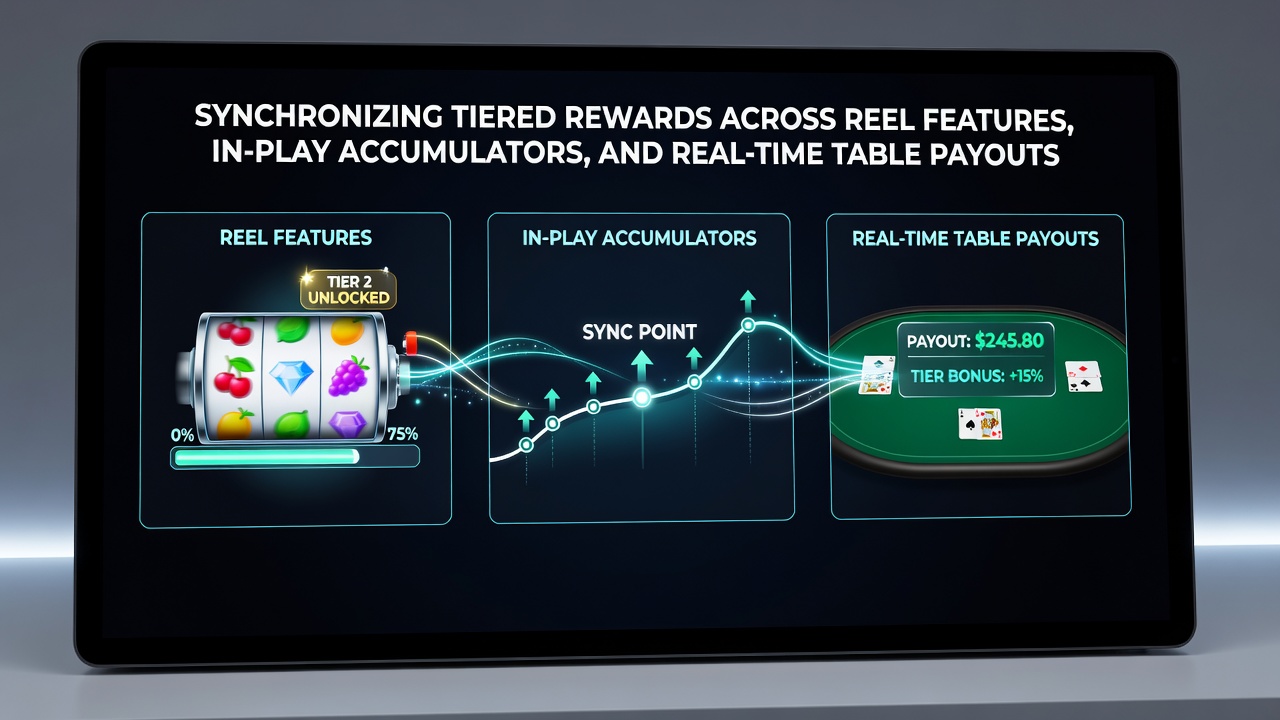
Observers point out that the process starts when a reel bonus completes, the system calculates the new tier level, and then pushes the updated multiplier to any active accumulators while simultaneously adjusting the next table hand settlement rate, all within the same transaction cycle.
Implementation Patterns Observed in August 2026
Platforms rolling out updates around August 2026 have adopted standardized data schemas that tag each reward event with a universal player identifier, enabling seamless handoff between reel progress, accumulator tracking, and table adjustments, and these schemas reduce discrepancies that previously arose from mismatched session logs.
One documented case involves a North American operator that integrated contactless wallet transfers so that tier milestones reached during slot play immediately altered accumulator payout percentages for concurrent football bets while also shifting table game rake structures for the same account holder.
Regulatory and Operational Considerations
Research published through the Canadian Centre for Gaming Research indicates that synchronized systems must maintain audit trails that log every tier change across features, and regulators in that region require separate verification steps for digital transfers that affect multiple game types at once to ensure compliance with fairness standards.
Operators have responded by building fallback protocols that pause cross-feature updates if any module reports latency, preventing situations where an accumulator reflects a tier that has not yet been confirmed at the table level.
Conclusion
The coordination of tiered rewards through digital transfers across reels, accumulators, and tables continues to expand as platforms adopt unified ledgers and standardized APIs, with data from oversight bodies showing measurable reductions in reconciliation errors once these connections stabilize, and further developments scheduled beyond August 2026 are expected to refine the timing and verification layers that support such integration.