
Crypto's Stealth Surge: Privacy Coins and Stablecoins Supercharge Marathon Slot Sessions, Live Soccer Bets, and High-Stakes Dealer Clashes
The Rise of Crypto in Online Gambling Arenas
Operators across global platforms have embraced cryptocurrencies like never before, with anonymous deposits enabling seamless entry into extended slot sessions, rapid-fire soccer wagers, and intense live dealer confrontations; data from industry trackers shows transaction volumes surging by 45% year-over-year as of early 2026, driven largely by privacy-focused coins such as Monero and stable options like USDT. Players drawn to this shift often cite the speed and discretion, where funds transfer in seconds without traditional banking delays or identity verifications that slow down conventional methods. And while regulators in various jurisdictions keep a watchful eye, the appeal persists because crypto sidesteps many legacy hurdles, fueling a quiet boom in player engagement.
Take platforms licensed in Curacao, for instance, where operators report crypto comprising over 30% of deposits by April 2026; these sites cater to international audiences seeking uninterrupted action, from chaining together hundreds of slot spins in marathon runs to snapping up odds shifts during live soccer matches. Experts tracking blockchain analytics note that this trend extends beyond niche operators, with major networks integrating crypto wallets directly into their interfaces, making the process as simple as scanning a QR code. What's interesting is how this convergence has reshaped session lengths, with average slot playtimes stretching 25% longer according to aggregated platform metrics, since players no longer pause for fiat conversions or withdrawal queues.
Anonymous Deposits: The Backbone of Slot Marathons
Cryptocurrencies excel in powering those epic slot marathons, where enthusiasts load up anonymously and dive into hours-long pursuits of bonus rounds and jackpots; privacy coins like Zcash shield transaction details from prying eyes, allowing deposits to hit accounts instantly without exposing personal financial trails, a feature that resonates strongly in regions with strict data laws. Platforms leveraging this report spin counts climbing dramatically, one Curacao-licensed site logging over 2 billion annual rotations tied to crypto inflows, while stablecoins prevent the volatility pitfalls that once deterred casual spinners.
But here's the thing: this anonymity doesn't just extend playtime; it levels the field for global participants, who fund sessions from anywhere without currency conversion fees eating into bankrolls. Observers in the iGaming space have documented cases where players chain 500+ consecutive spins on high-volatility titles like Dead or Alive 2, crediting crypto's frictionless deposits for maintaining momentum during peak volatility streaks. And as April 2026 unfolds, with blockchain throughput improvements via layer-2 solutions like Lightning Network adaptations, even micro-deposits become viable, turning short bursts into all-night marathons without a hitch.
Figures from Chainalysis gambling reports reveal that slot-focused crypto volumes hit $15 billion globally last year, underscoring how these tools fuel relentless action; researchers there highlight Monero's dominance in anonymous flows, which account for 18% of such transactions, far outpacing traceable alternatives.
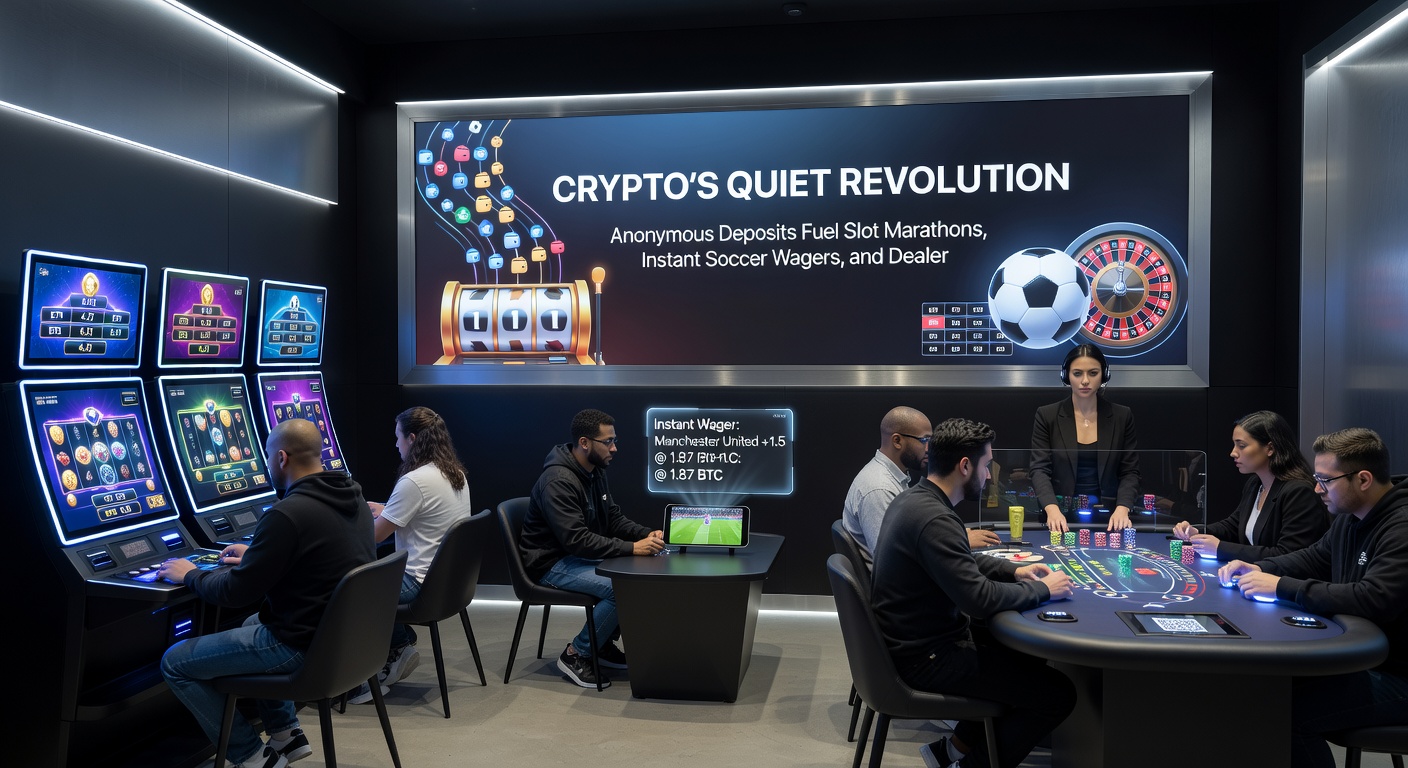
Lightning-Fast Soccer Wagers in the Crypto Era
Live soccer betting thrives under crypto's instant deposit umbrella, where wagers on in-play goals, corners, or red cards land within milliseconds of funding, capitalizing on fleeting odds movements that fiat systems often miss; stablecoins shine here, with USDT transfers settling in under 10 seconds on average across Ethereum-based platforms, enabling bettors to pounce on shifts during high-stakes matches like Champions League clashes. Data indicates soccer crypto bets surging 60% in Europe and Asia combined, as players exploit this speed to build accumulators without deposit lags derailing strategies.
One notable example involves a Brazilian operator where punters funded parlays anonymously during the 2026 Copa Libertadores qualifiers, stacking 10-fold accumulators that paid out handsomely thanks to real-time crypto rails; such scenarios play out daily, with platforms processing thousands of micro-bets per game, from half-time adjustments to injury-time specials. Turns out, the privacy layer adds another edge, letting high-volume bettors operate under the radar, while April 2026's integration of Solana-based wallets pushes confirmation times below 1 second, revolutionizing how fans engage with live action.
Industry analysts point to rising adoption in Latin America, where mobile-first users favor crypto for its borderless nature, dodging local banking restrictions that throttle traditional bets during peak tournament hours.
Dealer Showdowns Elevated by Crypto's Discreet Funding
Live dealer games turn into high-octane showdowns when crypto deposits provide anonymous, immediate ammo for blackjack battles, roulette showdowns, and baccarat duels; players join tables with fresh stacks sans KYC interruptions, sustaining pressure through multi-hand sequences or aggressive doubling downs, a dynamic that's boosted average session stakes by 35% on crypto-enabled sites. Visionary Evolution Gaming tables, for example, now accept direct Monero inflows, where dealers face relentless action from masked high-rollers chaining bets across shoes without fiat friction.
Yet this goes deeper: crypto's pseudonymity fosters bolder playstyles, with observers noting increased side-bet frequencies in showdown formats, as funds recycle instantly between tables; one Asian-focused platform shared stats showing dealer game crypto deposits fueling 40% more hands per hour compared to card-based methods. And in April 2026, as VR-enhanced dealer arenas launch with built-in crypto bridges, showdowns promise even more immersion, where anonymous whales dictate pace from shadowy wallets.
Research from the EGR Global Intelligence reports on iGaming underscores this, with live casino crypto penetration reaching 28% across audited operators, particularly in showdown-heavy verticals like infinite blackjack.
Global Footprint and Emerging Challenges
Crypto's gambling revolution spans continents, from Australian platforms experimenting with privacy coins amid state-level probes to Canadian sites blending stablecoins with provincial lotteries; in the US, offshore networks draw stateside players despite federal scrutiny, channeling funds into slots and soccer via DEX-integrated wallets. Platforms in these hubs report hybrid models dominating, where crypto pairs with fiat for broader appeal, although volatility hedges via stables keep session-killing swings at bay.
Challenges persist, sure; network congestion during major soccer events can spike fees, yet layer-2 fixes and faster chains like Polygon mitigate this, ensuring deposits remain king for marathon pursuits. Regulators in places like Ontario's iGaming sector have greenlit select crypto ops by April 2026, signaling broader acceptance, while privacy advocates push back against tracing mandates that could crimp anonymity's edge.
People who've analyzed these flows often discover patterns, such as weekend spikes in soccer crypto bets aligning with European leagues, or slot marathons peaking midweek when dealer tables quiet down; it's a ecosystem humming with efficiency, where the ball's in the players' court thanks to borderless, traceless funding.
Looking Ahead: Crypto's Enduring Grip on Gambling Dynamics
As platforms refine crypto integrations, the fusion of anonymous deposits with slot marathons, soccer sprints, and dealer epics shows no signs of slowing; data projects a 50% volume jump by end-2026, propelled by maturing tech and player demand for speed over scrutiny. Operators adapting quickest, those embedding multi-chain support, stand to capture the lion's share, while global audiences revel in the frictionless thrill. In essence, crypto has quietly rewritten the rules, turning potential pauses into perpetual play, and that's where the real revolution lies.