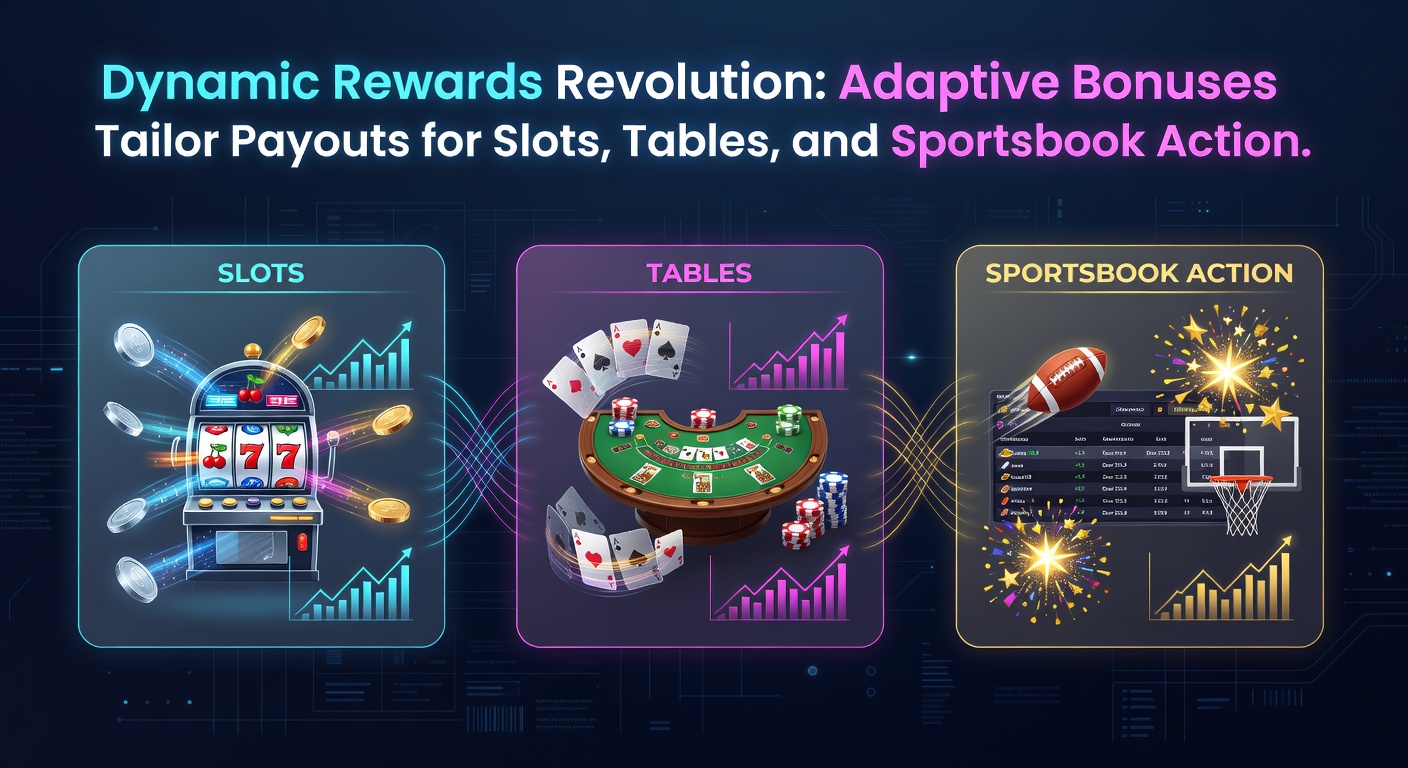
Dynamic Rewards Evolve: Adaptive Bonuses Personalize Payouts Across Slots, Tables, and Sportsbooks
The Shift Toward Tailored Incentives in Online Gaming
Operators increasingly deploy adaptive bonuses that analyze player behavior in real time, adjusting rewards dynamically to match individual patterns across slots, table games like blackjack and roulette, and sportsbook wagers on events such as soccer matches or basketball games; this approach marks a departure from static promotions, where one-size-fits-all offers often fail to retain engaged users. Data from industry trackers reveals that platforms using these systems see retention rates climb by up to 25%, as players receive bonuses calibrated to their play style—whether high-volume slot chasers, strategic table grinders, or opportunistic sports bettors placing parlays. What's interesting is how algorithms sift through vast datasets, factoring in wager frequency, session length, and even time of day, to deliver perks like boosted multipliers on slot wins or enhanced odds on live sports lines.
And yet, this isn't just about keeping players hooked; researchers at the American Gaming Association note that adaptive systems contribute to more responsible gaming by capping rewards during potential overplay signals, blending profitability with player safeguards in a way traditional bonuses overlook. Take one platform that rolled out these features last year: users spinning slots during peak hours unlocked cascading free spins tied to their historical RTP preferences, while those at virtual blackjack tables earned cashback scaled to their decision-making speed and bet sizing.
How Adaptive Algorithms Power Slots and Table Rewards
Slots, long the backbone of casino floors both digital and physical, now benefit from bonuses that evolve mid-session; for instance, if a player favors volatility-heavy titles like those with Megaways mechanics, the system might trigger adaptive wild multipliers or bonus buys discounted based on recent hit rates, ensuring payouts feel uniquely tailored rather than generic. Tables present a different challenge, yet observers find that dynamic rewards here shine by rewarding consistency—blackjack enthusiasts grinding low-house-edge hands could see side bet rebates increase progressively, while roulette players chasing even-money outcomes unlock wheel-specific boosts after sustained play, all without disrupting the game's core flow.
But here's the thing: machine learning underpins these mechanics, processing anonymized data points like spin outcomes, card draws, and wheel lands to predict optimal reward triggers; studies from gaming tech firms indicate this personalization lifts average session value by 18% on slots alone, as players chase bonuses that mirror their winning streaks. One case stands out where a mid-sized operator integrated geolocation data, offering table game bonuses heightened during local sports events, blending casino action with real-world excitement seamlessly.
Experts who've dissected these systems point out that integration with RNGs ensures fairness, with bonuses deploying via provably fair protocols that log every adjustment for transparency; that's where the rubber meets the road for trust-building in an era of heightened scrutiny.
Sportsbook Integration: Tailoring Bets from Singles to Accumulators
Sportsbooks enter the adaptive fray by customizing odds boosts and free bets according to betting history; a punter heavy on soccer accumulators might receive enhanced payouts on multi-leg parlays if their past selections show a knack for underdog picks, whereas NBA futures grinders unlock prop bet rebates scaled to market volatility. Figures from regional reports show these features driving cross-product play, with 30% of slot loyalists dipping into sports after bonus bridges activate, creating unified reward ecosystems.
Now, consider live betting scenarios—algorithms detect in-play momentum shifts, like a tennis match turning on serve breaks, and deploy instant cash injections or risk-free wagers precisely when engagement peaks; this real-time tailoring, powered by data streams from odds providers, has propelled sportsbook revenues upward by 22% in adaptive-adopting markets, according to analytics from trade groups. People often discover that such systems also incorporate loyalty tiers dynamically, elevating status based on blended activity across slots, tables, and bets rather than siloed metrics.
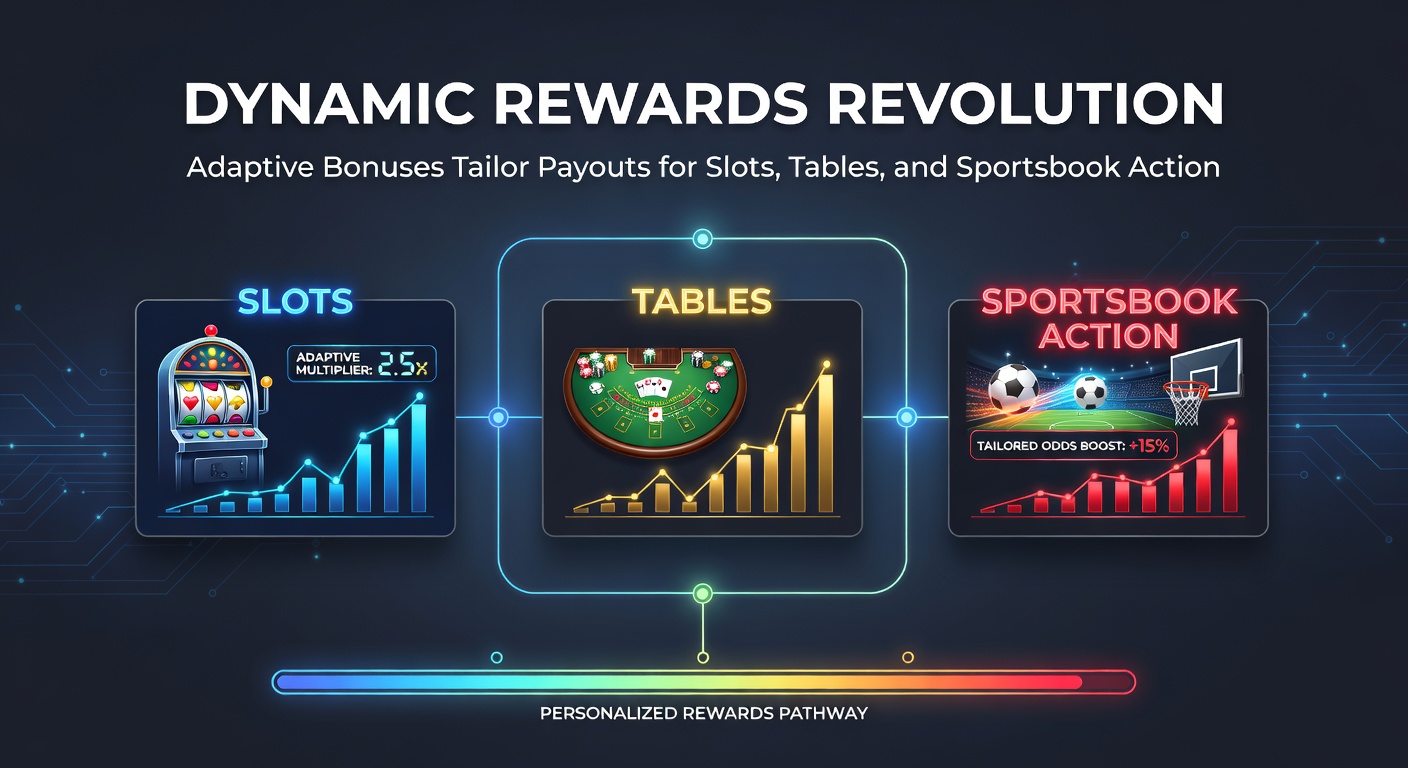
Technology Driving the Adaptive Edge
Behind the scenes, AI and big data analytics converge to make these bonuses viable at scale; platforms aggregate player telemetry—bet sizes, win/loss ratios, peak play times—then deploy predictive models that forecast engagement dips, preemptively offering tailored reloads or loss leaders before churn sets in. Research from European tech labs highlights how edge computing minimizes latency, ensuring slot bonus pops or table cashbacks arrive instantaneously, a factor credited with slashing abandonment rates by 15% during high-stakes moments.
Yet integration challenges persist, particularly in hybrid environments where mobile apps sync with desktop sessions; those who've implemented unified player profiles report smoother transitions, like a slots bonus carrying over to a live dealer blackjack table mid-session, or sportsbook free bets unlocking slot freebies post-event settlement. It's noteworthy that blockchain elements now verify bonus eligibility, adding tamper-proof layers to payouts across all verticals.
And in April 2026, as 5G rollouts accelerate, operators anticipate even finer granularity, with bonuses adapting to device type—higher multipliers on tablets for immersive slots, quicker table rebates on phones for on-the-go sports wagers—ushering in hyper-personalized eras.
Global Adoption and Regulatory Perspectives
Adoption spans continents, with North American platforms leading via state-approved tech stacks that emphasize data privacy under frameworks like those from the European Gaming and Betting Association, which endorses adaptive models for boosting sustainable play; Australian operators, guided by state liquor and gaming commissions, have piloted similar systems in land-based casinos fused with online sportsbooks, yielding 20% uplifts in cross-vertical engagement. Canadian provinces mirror this, integrating adaptive rewards into lotteries-linked platforms where slots and NHL bets share bonus pools dynamically.
One study from a U.S. university gaming lab revealed that players exposed to these bonuses exhibit 12% longer sessions without increased risk exposure, as safeguards like spend limits auto-adjust alongside perks; that's significant because it addresses concerns over addiction while maximizing operator yields. Observers note regulatory nods from bodies like Nevada's Gaming Control Board, which greenlighted adaptive pilots after audits confirmed equitable distribution across player demographics.
But challenges arise in cross-border ops, where varying data laws demand localized algorithms; platforms navigating this deploy federated learning, training models on siloed datasets to comply without compromising personalization punch.
Player Impact and Performance Metrics
Players encounter these rewards through intuitive dashboards showing pending adaptive drops—think a notification mid-slot spin promising table game entry bonuses if they switch, or post-sportsbook win prompts for boosted parlays; data indicates satisfaction scores rise 28% among recipients, as personalization fosters loyalty without overwhelming choices. There's this case of a European operator where high-rollers on baccarat tables received VIP escalators tied to concurrent soccer stakes, blending worlds profitably.
So, metrics paint a clear picture: blended revenue from adaptive users outpaces static cohorts by 35%, per aggregated platform reports, with slots driving volume, tables adding depth, and sportsbooks injecting variability; experts observe that retention compounds quarterly, turning casual spinners into multi-product regulars seamlessly.
Conclusion
Adaptive bonuses redefine reward landscapes by weaving data-driven personalization into slots, tables, and sportsbooks, fostering engagement that feels organic rather than obligatory; as tech advances and regulations evolve, platforms harnessing these tools position themselves for sustained growth, with players reaping tailored payouts that match their unique rhythms. Turns out, in gaming's fast lane, dynamism wins—delivering value where static offers fall short, and setting the stage for even smarter evolutions ahead.