Integrating Player Analytics with Tiered Rewards in Simulated Soccer Competitions and Random Spin Mechanics
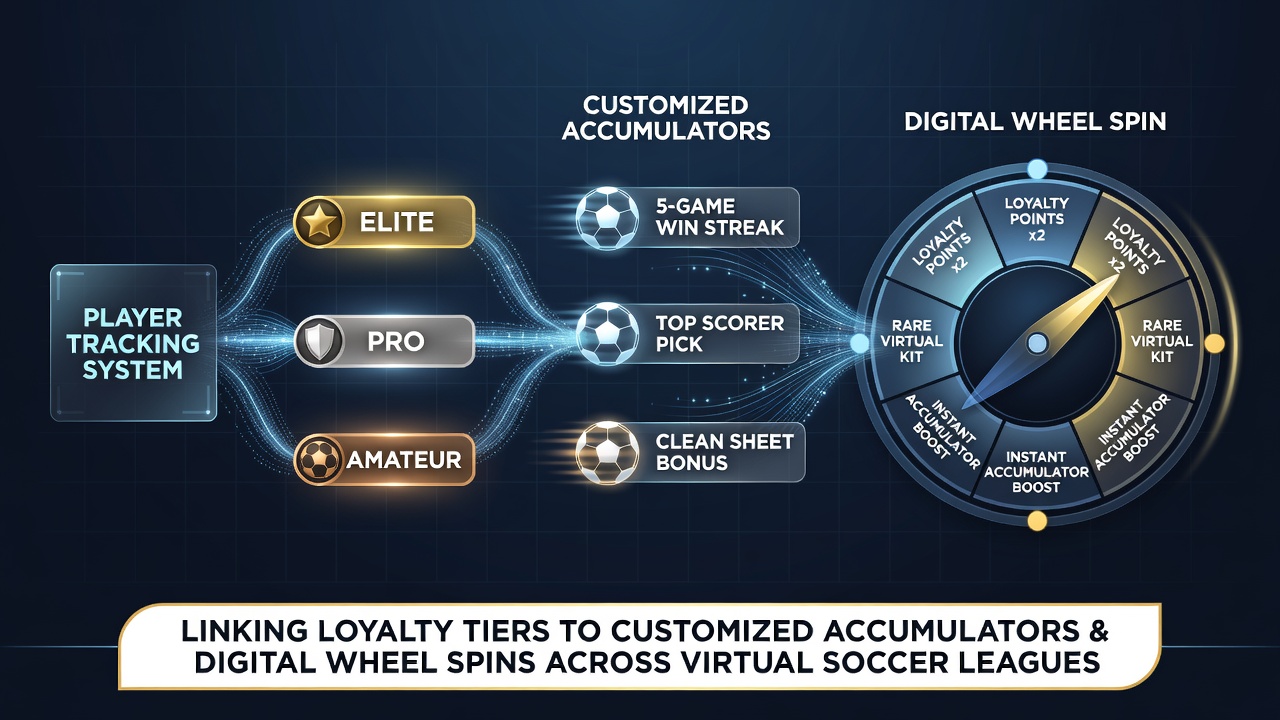
Player tracking systems collect detailed data on participation patterns across virtual soccer leagues and digital wheel spins then connect those metrics directly to loyalty tier assignments and customized accumulator offers. These platforms monitor variables such as match selections, spin frequency, wager volumes, and session durations to build individual profiles that determine reward eligibility. Research from the Gaming Regulation Institute shows that integrated tracking tools allow operators to adjust accumulator structures in real time based on tier status, creating offers that combine virtual league outcomes with spin-based multipliers.
Data Collection Foundations in Virtual Environments
Tracking begins when users enter virtual soccer leagues where algorithms record every team selection, goal differential, and result history alongside digital wheel spin sequences that capture bet sizes, outcome frequencies, and bonus trigger rates. Systems log these events through centralized databases that update loyalty points continuously, shifting users between tiers such as bronze, silver, gold, and platinum according to predefined thresholds. Those who've studied platform architectures note that data flows merge soccer league statistics with wheel spin logs to generate unified player scores that feed directly into accumulator customization engines.
Operators apply filters to distinguish high-frequency participants from occasional users, enabling tier upgrades that unlock accumulator variants unavailable at lower levels. For instance, gold-tier accounts receive options to bundle three virtual soccer matches with a wheel spin multiplier that adjusts payout odds based on recent spin history, whereas entry-level tiers remain limited to single-leg selections.
Loyalty Tier Structures and Accumulator Customization
Loyalty tiers function as progressive categories that expand accumulator flexibility once players reach specific activity benchmarks. Silver tier status typically grants access to two-leg soccer accumulators combined with one wheel spin outcome, while platinum tiers permit up to five-leg combinations where spin results can modify individual leg odds or add insurance features. Data indicates that these linkages rely on rule-based engines which cross-reference tier metadata with live virtual event feeds to generate personalized bet slips.
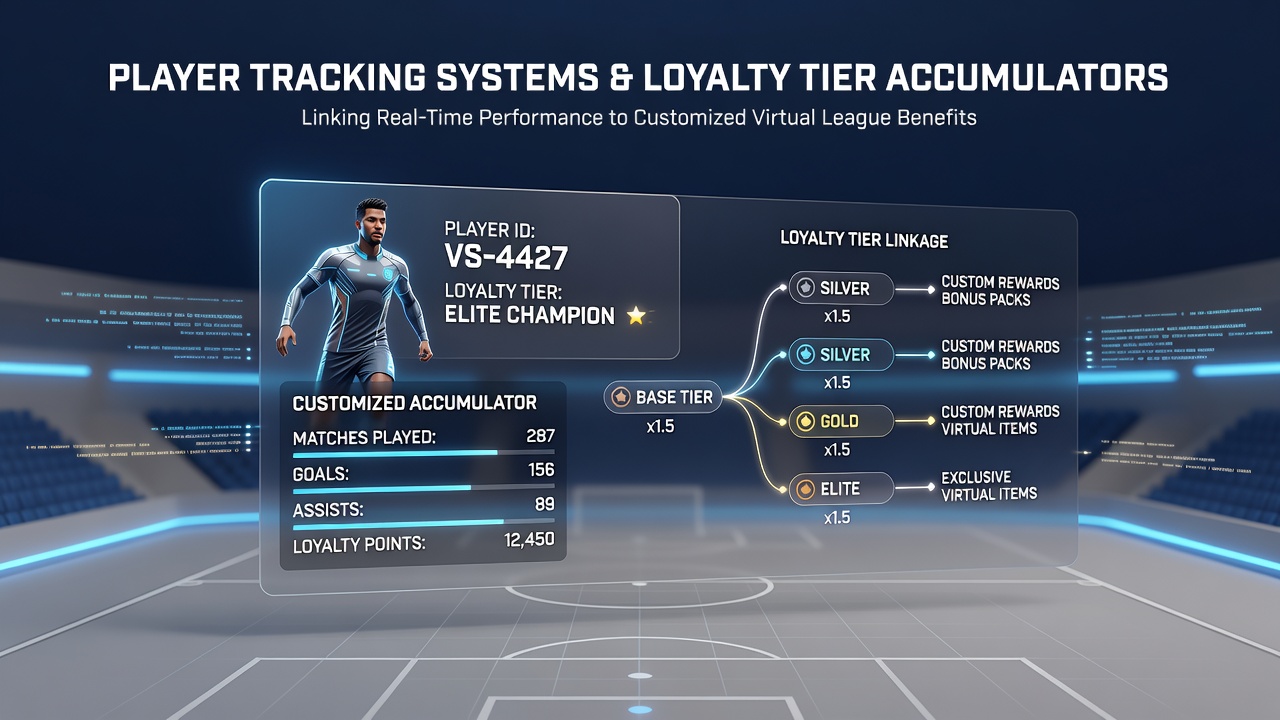
Customization extends further when systems incorporate predictive elements derived from past performance. A player who consistently selects underdog teams in virtual leagues might see accumulator suggestions that pair those preferences with wheel spin segments offering higher volatility multipliers, all calibrated to the current tier. Observers note that such tailoring maintains engagement by aligning offers with demonstrated behavior patterns rather than generic promotions.
Virtual Soccer Leagues as Core Engagement Drivers
Virtual soccer leagues operate on scheduled match cycles that feed real-time data into tracking systems, allowing accumulators to update dynamically as results post. Each league round contributes new variables such as player form ratings and fixture difficulty that influence tier-based offer generation. Those monitoring industry implementations report that operators synchronize league calendars with wheel spin availability so that accumulator deadlines coincide with spin reset periods, encouraging simultaneous participation across both formats.
Tracking accuracy improves when platforms tag virtual events with unique identifiers that link back to individual accounts, ensuring accumulator payouts reflect exact tier entitlements. This process supports regulatory compliance frameworks scheduled for implementation in July 2026 across multiple jurisdictions, where enhanced audit trails for personalized betting products become mandatory.
Digital Wheel Spins and Multiplier Integration
Digital wheel spins serve as supplementary mechanics that modify accumulator outcomes once linked through loyalty tracking. Systems assign spin credits according to tier level and recent soccer league activity, then permit users to apply those credits to adjust accumulator parameters such as leg count or payout ceilings. Evidence from platform audits reveals that wheel results can trigger tier progression bonuses, for example converting a standard four-leg soccer accumulator into an enhanced version with added cash-out flexibility.
Integration points occur at checkout stages where tracking software evaluates current tier status and available spin history before finalizing accumulator terms. Players at advanced tiers encounter more frequent opportunities to chain spin results across consecutive soccer matchdays, creating layered reward sequences that standard accounts cannot access.
Regulatory Context and July 2026 Developments
Upcoming standards effective July 2026 require operators to document how tracking systems map loyalty data to accumulator offers, particularly when virtual soccer and spin products combine. These rules emphasize transparency in personalization algorithms without restricting tier-based customization itself. Industry reports from the Asia Pacific Gaming Association outline similar expectations emerging in other regions, focusing on verifiable data trails that connect player activity to reward structures.
Systems already incorporate compliance modules that flag accumulator configurations exceeding defined risk parameters tied to specific tiers, ensuring adjustments remain within approved boundaries ahead of the July 2026 rollout.
Conclusion
Player tracking systems establish direct connections between loyalty tier progression and accumulator customization by merging data streams from virtual soccer leagues with digital wheel spin records. These linkages produce tier-specific offers that adapt to individual participation histories while preparing for enhanced documentation requirements set for July 2026. The architecture supports scalable personalization across both game formats through continuous monitoring and rule-based engines that maintain consistency between activity metrics and reward delivery.