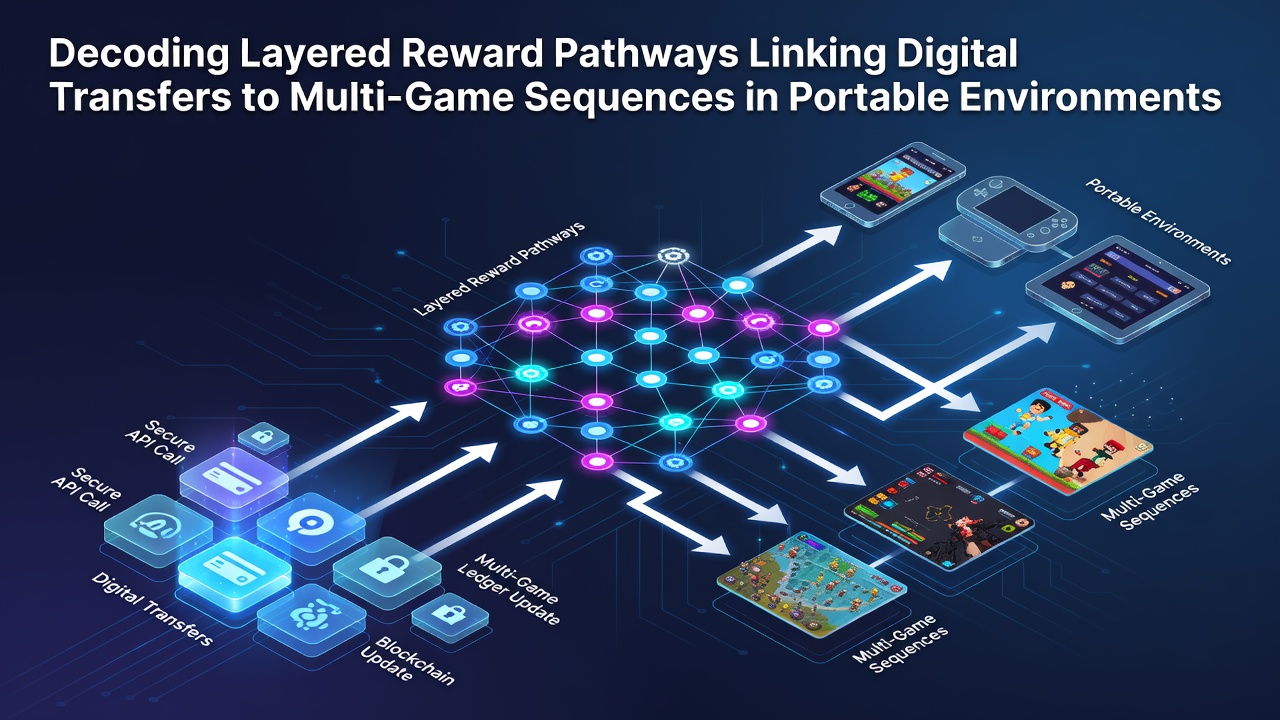
Mapping Interconnected Incentive Structures Between Digital Payments and Sequential Play Across Mobile Gaming Titles
Researchers in digital entertainment systems have examined how payment integrations create layered pathways that connect financial transfers to extended play sequences across multiple mobile games, and data from industry reports shows these mechanisms operate through progressive reward tiers that unlock features after initial deposits or purchases. According to studies conducted by academic institutions in North America, such structures encourage users to transition between titles like puzzle apps and battle arenas while maintaining engagement through shared progress indicators.
Core Components of Payment-Linked Reward Layers
Payment processors embed reward layers directly into game interfaces so that each digital transfer triggers immediate access to bonus content or accelerated progression, and this setup allows players to move from one portable title to another without resetting their accumulated benefits. Figures from the Interactive Games and Entertainment Association in Australia reveal that over 60 percent of frequent mobile users engage with at least three interconnected games within a single session, driven by these synchronized incentive models that link wallet activity to cross-title unlocks.
Developers implement multi-stage systems where the first layer activates basic multipliers after a small transfer, while deeper layers release collaborative modes or exclusive items once users complete sequences involving different game genres on the same device. Those who've analyzed user behavior data note that portable environments facilitate this fluidity because touch-based interfaces and cloud saves reduce friction between switches.
Technical Pathways in Portable Ecosystems
Portable devices rely on secure APIs that route digital transfers through encrypted channels before distributing rewards across game servers, and this architecture ensures continuity when a player shifts from an action title to a strategy game mid-sequence. Evidence from European digital economy analyses indicates that integration of contactless and app-based payments has increased the frequency of such multi-game loops by streamlining the initial entry point into reward cycles.
One case examined by researchers at a Canadian university highlighted how users who complete payment-triggered challenges in an adventure game receive transferable tokens usable in companion simulation titles, creating a chain reaction that extends overall playtime without requiring separate accounts for each environment. Data shows these pathways often incorporate real-time notifications that prompt transitions between games once a layer completes.
Industry Trends Emerging Around Mid-2026
By June 2026, updates to cross-platform standards from organizations such as the Federal Trade Commission are set to influence how reward layers handle data privacy during digital transfers, requiring clearer disclosures on how payment information feeds into multi-game sequences. Observers note that developers have already begun adjusting their systems to align with these forthcoming requirements while preserving the core linkage between transfers and progressive play.
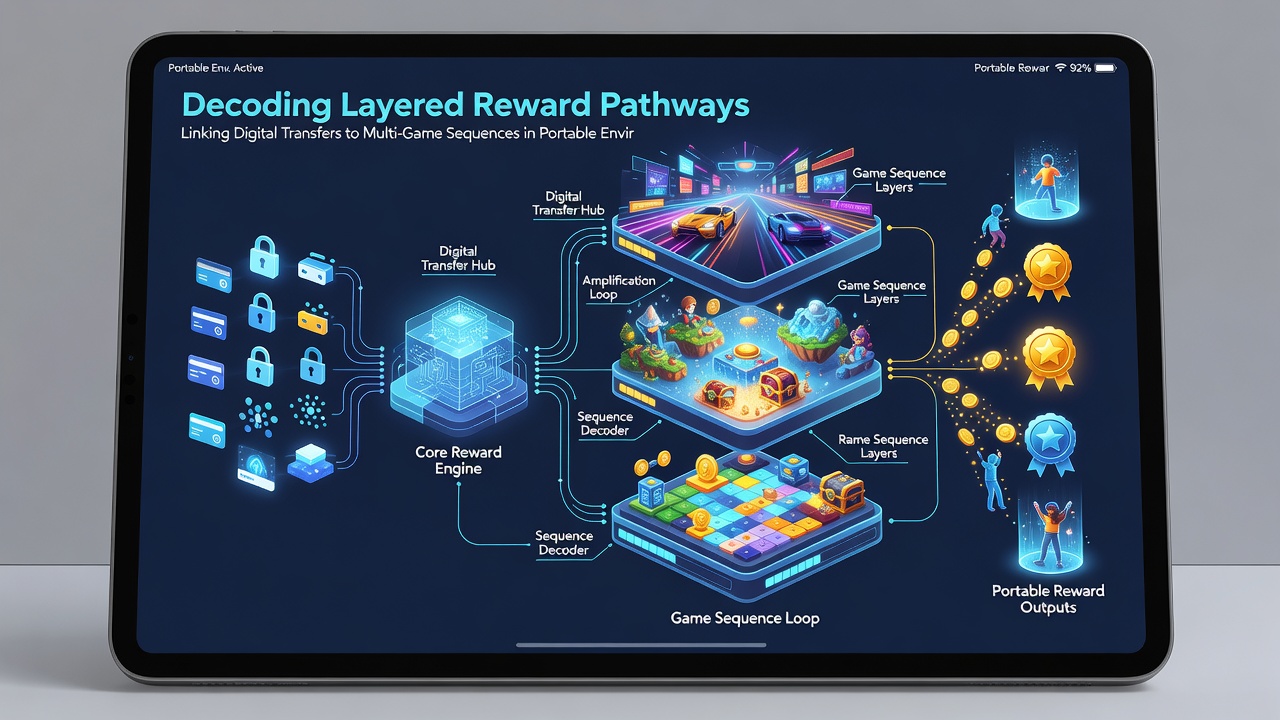
What's significant is the role of cloud-based synchronization that keeps reward states consistent across devices, allowing a user who starts a sequence on a tablet to continue it on a smartphone without loss of layered benefits. Reports from trade groups indicate that such continuity has supported higher retention rates in markets where portable gaming dominates daily engagement patterns.
Examples of Layered Sequence Designs
Take one popular mobile franchise that ties in-app purchases to a shared reward pool across its puzzle and racing spin-offs, where completing a payment milestone in one title automatically advances progress bars in the other. Researchers discovered through longitudinal tracking that these designs lead to measurable increases in session length as players pursue the next unlocked layer.
Another instance involves battle royale games that grant currency transferable to battle pass features in affiliated strategy titles once a certain transfer threshold is met, and studies from Asian research centers have quantified how this encourages exploration of multiple portable environments in quick succession.
Conclusion
The mechanisms linking digital transfers to multi-game sequences continue to evolve through refinements in portable technology and payment security, with data indicating sustained growth in cross-title engagement metrics. Those monitoring these systems expect further integration of analytics tools that map user pathways more precisely while adhering to regional guidelines on transparency. As portable platforms expand their capabilities, the structure of these reward layers remains central to how sequences unfold across diverse gaming environments.