Regional Payment Trends and Their Influence on Seasonal Bonus Strategies in Soccer Accumulators and Table Games
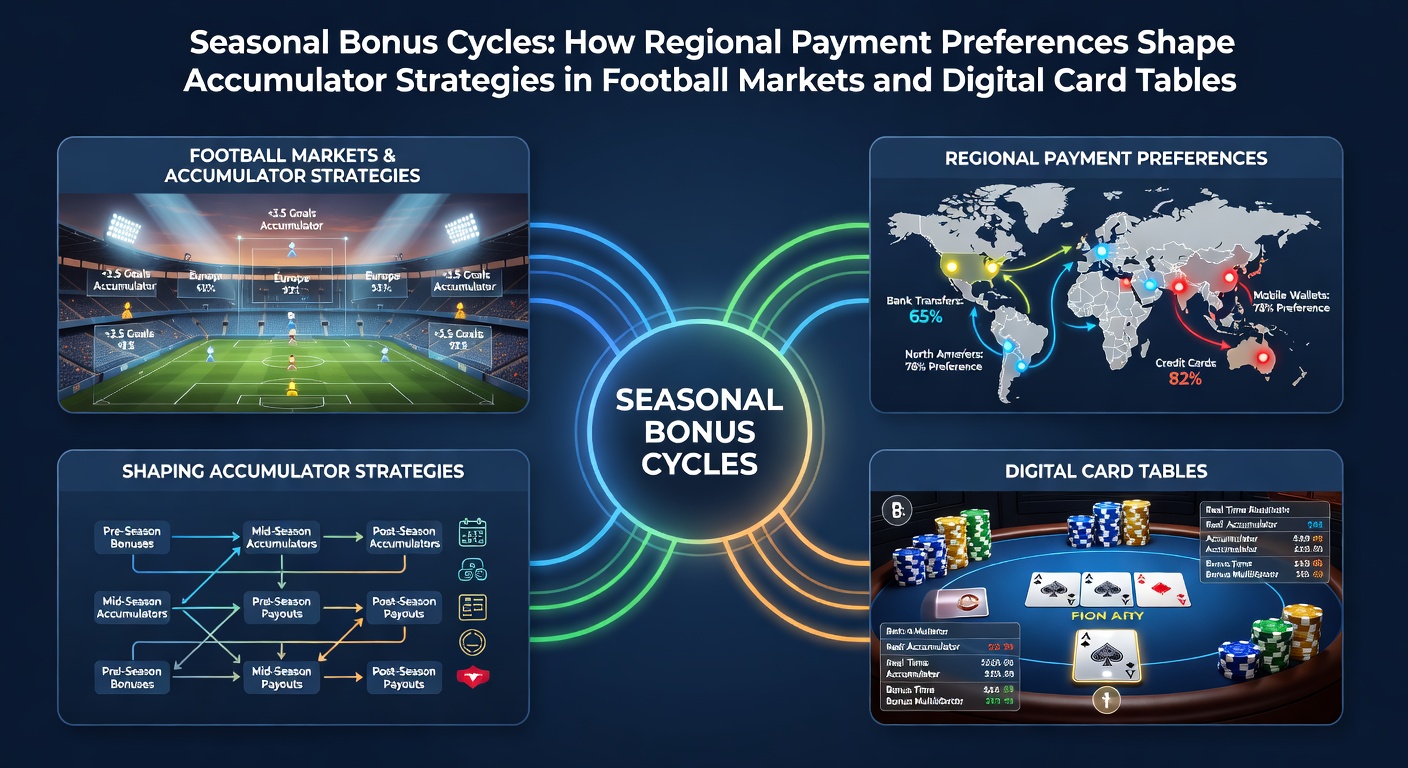
Seasonal bonus cycles in football markets and digital card tables follow distinct patterns that align with regional payment preferences, and these cycles shape how participants structure accumulator strategies throughout the year. Observers note that payment methods such as bank transfers in parts of Europe, e-wallets popular across Asia, and mobile options common in North America create different timing windows for bonus activation, which in turn affects when accumulators on soccer matches or sequences at blackjack and roulette tables reach their peak engagement periods.
Payment Methods and Their Seasonal Alignment
Data from multiple jurisdictions shows that bonus availability often peaks during major football tournaments and holiday periods, while regional preferences determine the speed and frequency of deposits that unlock those offers. In regions where bank transfers dominate, processing times extend across several days so participants plan accumulator builds around those delays, whereas e-wallet users in other markets complete transactions within minutes and adjust their strategies to capture shorter promotional windows. Researchers at the University of Nevada Reno Gaming Research Center have documented how these timing differences lead to measurable shifts in wager volumes during May, when many European leagues approach their final matches and bonus cycles reset for the summer period in 2026.
Participants in markets favoring prepaid cards often combine multiple small deposits to meet bonus thresholds, creating layered accumulator approaches that spread risk across several football fixtures and table sessions, and this pattern becomes especially visible when seasonal promotions coincide with league title races or major cup finals. Those who study transaction data note that mobile payment adoption has accelerated since 2024, allowing faster responses to time-limited bonuses that appear during international breaks or domestic cup competitions.
Accumulator Construction Across Different Regions
Accumulator strategies in football markets adapt to the bonus structures tied to local payment systems, with some regions emphasizing multi-leg bets that align with weekly payroll cycles while others focus on shorter same-day combinations enabled by instant funding options. Digital card tables follow similar adjustments, as players at roulette and blackjack incorporate bonus funds into progressive betting sequences that match the deposit speed of their preferred method. Evidence from industry reports indicates that regions with strong e-wallet penetration see higher volumes of accumulator activity during mid-week matches, whereas areas reliant on traditional banking show spikes around weekends when transfers clear more reliably.
Case Examples from Varied Markets
Take one analysis conducted across Southeast Asian platforms where mobile wallets dominate: participants frequently time accumulator entries to coincide with flash bonus releases that appear after major tournament announcements, allowing them to add extra legs without extending processing delays. In contrast, observers tracking North American patterns find that credit and debit card users build accumulators around monthly billing cycles, spacing out football wagers and table sessions to maximize recurring seasonal promotions. A separate European study highlighted how SEPA transfers encourage longer-term planning, with players constructing accumulators that span several weeks of league play to align with slower bonus crediting schedules.
Data Patterns in Bonus Timing and Wager Types
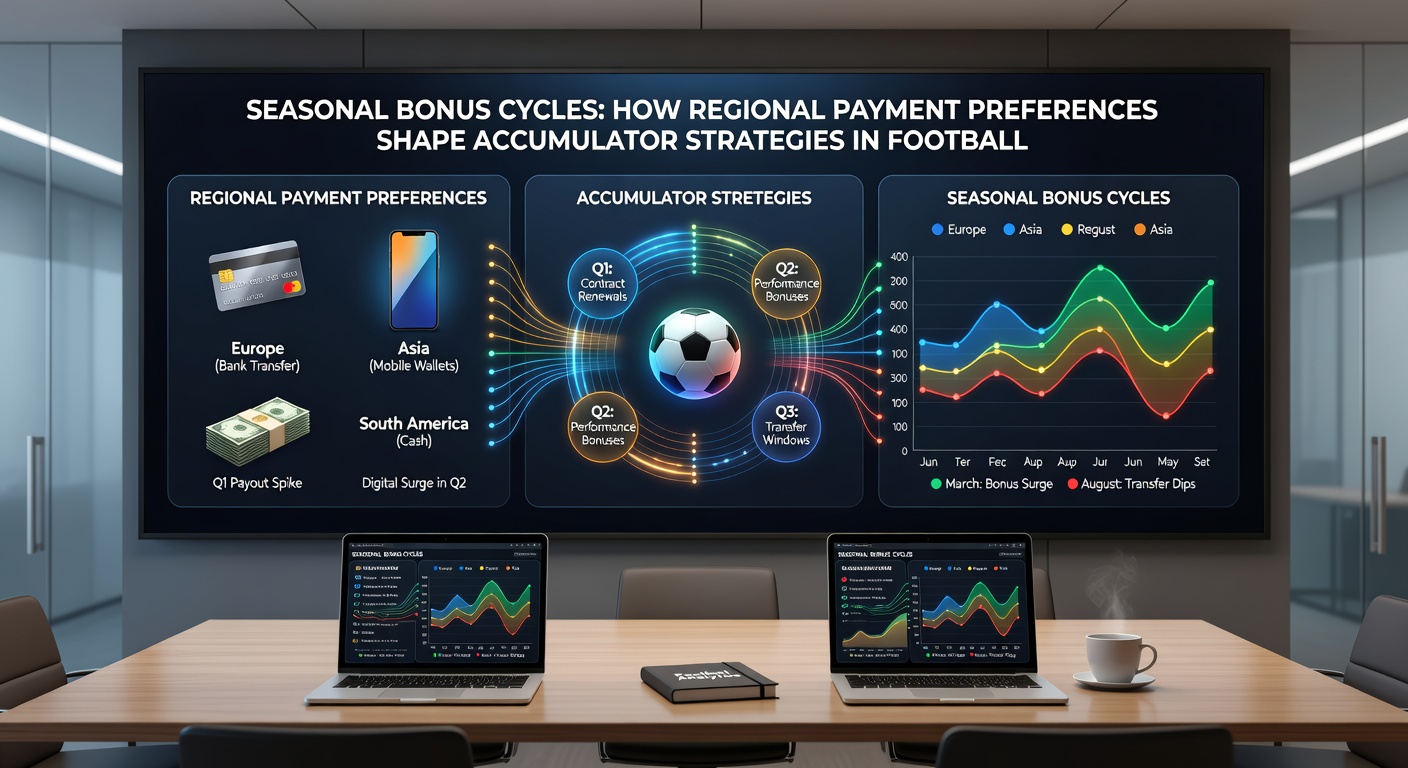
Figures compiled by the Australian Communications and Media Authority reveal consistent correlations between payment method adoption rates and the types of accumulators placed during peak seasonal windows, with e-wallet regions showing elevated activity in live betting accumulators while card-heavy markets favor pre-match structures. These patterns extend to digital card tables, where bonus cycles influence whether players pursue high-volume short sessions or extended progressive strategies at roulette wheels and blackjack tables. What's notable is how May 2026 data is expected to reflect continued growth in instant payment adoption, potentially compressing bonus cycles further and prompting adjustments in how accumulators are sequenced across both football and table environments.
Industry associations such as the European Gaming and Betting Association have tracked these shifts through aggregated transaction records, noting that regional preferences create distinct clusters of activity rather than uniform global trends. Participants in markets with faster funding options often layer multiple accumulator types within a single bonus period, whereas slower methods encourage more selective, high-confidence selections that carry through longer seasonal stretches.
Integration of Football Markets and Card Table Activity
Crossovers between football accumulator strategies and digital card table play become more pronounced when seasonal bonuses apply across both categories, allowing participants to move funds between soccer wagers and table sessions based on the processing characteristics of their chosen payment method. Regions that support rapid mobile transfers see smoother transitions between these activities, while areas with batch-processed bank options require advance planning to maintain continuous engagement through bonus cycles. Research indicates that these integrated approaches appear most frequently around major tournament periods, when bonus offers expand to cover both live football events and concurrent table promotions.
Conclusion
Regional payment preferences continue to shape the structure and timing of accumulator strategies within seasonal bonus cycles across football markets and digital card tables. Patterns observed through transaction data and regulatory reports demonstrate clear differences in how participants approach multi-leg bets and table sequences depending on deposit speed and availability windows. As payment technologies evolve, these regional distinctions are likely to remain central to understanding engagement trends in both sectors through 2026 and beyond.